If there’s one thing homeowners in India are beginning to realize, it’s this: solar power alone isn’t enough — storage is the real game-changer. Sure, solar panels slash electricity bills, but when the sun dips behind the clouds (or the horizon), the question remains: what next? That’s where battery technology steps in — quietly but powerfully transforming the solar landscape for homes across India.
Why Solar Storage Is Becoming Non-Negotiable
Let’s be honest — India’s energy story has always been a mix of ambition and challenge. Power cuts in tier-2 towns, fluctuating grid supply, and rising tariffs — they all push people toward energy independence. Solar panels solve half that problem. The other half? Storing excess energy efficiently for use at night or during outages.
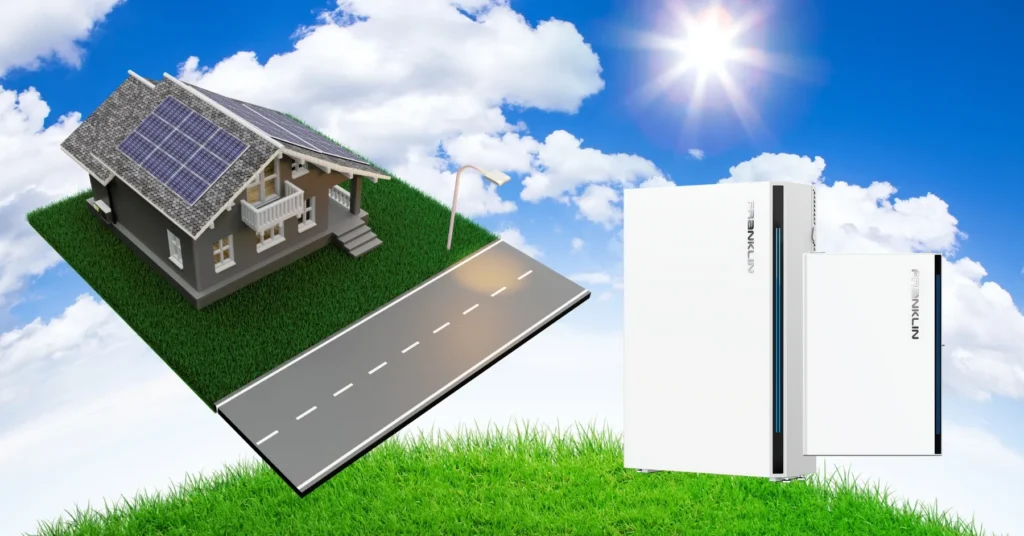
Batteries bridge that gap. They capture surplus solar energy during the day, store it, and release it when needed. For a country with 300+ sunny days, that’s not just smart — it’s essential.
But here’s the thing — not all batteries are created equal. And the next generation of solar batteries promises more than just backup power; it’s redefining how homes consume and share energy.
A Quick Throwback: Lead-Acid to Lithium and Beyond
For years, lead-acid batteries were the default choice for solar storage. They were cheap, familiar, and — well — good enough. But they had major downsides: limited lifespan, heavy maintenance, and poor depth-of-discharge (which basically means you couldn’t use most of what they stored).
Then came lithium-ion batteries, and everything changed. Compact, efficient, and long-lasting — they became the Tesla of the solar world (literally, thanks to Powerwall). Indian brands like Luminous, Exide, and Amara Raja quickly followed suit, introducing lithium-based home systems designed for the local climate.
Now, we’re entering an era where lithium-ion isn’t the endgame — it’s just the start. Researchers are already exploring solid-state, sodium-ion, and flow batteries, each promising longer life, safer chemistry, and cheaper materials.
What’s Driving This Change?
It’s not just about tech innovation. Three big forces are fueling India’s residential battery revolution:
- Government Push & Incentives
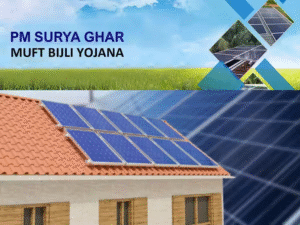
Initiatives like the PM Surya Ghar: Muft Bijli Yojana are encouraging homeowners to go solar — and storage is the natural next step. Subsidies for hybrid systems are likely to follow, especially as grid management becomes more complex. - Falling Battery Costs
Ten years ago, lithium batteries cost more than ₹70,000 per kWh. Today, that’s dropped below ₹20,000 — and it’s still falling. With local manufacturing under the PLI scheme (Production Linked Incentive), prices could hit ₹10,000–₹12,000 per kWh within a few years.
Smart Homes & IoT Integration
Imagine checking your battery’s charge from your phone or letting AI decide when to draw from the grid vs. your solar setup. That’s not futuristic — it’s already happening. Smart inverters, home automation, and predictive analytics are turning regular homes into energy microgrids.
The Rise of Hybrid Solar Systems
If you’ve heard terms like on-grid, off-grid, and hybrid, here’s a quick refresher.
- On-grid systems: Connected to the main electricity network. They’re cheaper but don’t work during blackouts.
- Off-grid systems: Fully independent — they rely on batteries for 24×7 power. Great for remote areas.
- Hybrid systems: The best of both worlds — grid-tied, with a battery backup.
Most Indian homeowners are now moving toward hybrid setups because they offer flexibility. You can store power, sell it back to the grid, or switch to battery mode during peak hours — all automatically. Think of it like having your own mini power plant that knows when to save, when to spend, and when to share.
The Future Batteries on the Horizon
Here’s where things get genuinely exciting — a peek into the batteries of tomorrow:
- Solid-State Batteries
Unlike lithium-ion, these use solid electrolytes instead of liquid, reducing fire risk and increasing density. They could double storage capacity — meaning your battery lasts twice as long on the same charge. - Sodium-Ion Batteries
Made from sodium (abundant in salt), they’re cheaper and safer, though still in development. India’s IITs and startups like Log9 Materials are already testing prototypes. - Flow Batteries
Ideal for large-scale residential communities, they use liquid electrolytes and can be recharged indefinitely. Think “infinite cycle life.”
Recycled & Second-Life Batteries
A growing number of Indian firms are reusing EV batteries for solar storage — an eco-friendly way to cut costs and reduce e-waste.
What This Means for Indian Homeowners
Here’s the deal — battery storage is no longer a luxury for eco-conscious families; it’s becoming a necessity. With dynamic tariffs, grid instability, and increasing energy demand, storage gives you control. You’re not just consuming electricity; you’re managing it intelligently.
Benefits that hit home:
- No dependency on erratic grid supply
- Lower electricity bills over time
- Protection from voltage fluctuations
- Energy independence during outages
- Higher resale value for solar homes
And let’s not forget the feel-good factor — knowing your lights are powered by clean, homegrown sunshine.
Financing the Future
One common hesitation among homeowners? The upfront cost. That’s changing fast. Many Indian solar companies now offer EMI-based solar loans and lease models that include batteries.
Banks like SBI, HDFC, and Tata Capital, and fintech firms like SolarSquare and Oorjan, have started offering financing options with zero down payment and flexible EMIs.
It’s now possible to install a complete solar+battery system for ₹2–3 lakhs with monthly EMIs comparable to your current electricity bill. Over 4–5 years, it practically pays for itself.
Community Solar & Virtual Power Plants: The Next Step
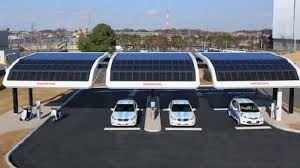
Now, here’s where things get fascinating. Imagine every house in your neighborhood having a solar+battery setup. Together, you’d create a community microgrid — capable of powering an entire block, or even selling back to the grid as a virtual power plant.
This isn’t sci-fi — Japan and Australia already do it. India’s dense residential clusters make it a perfect candidate. With policy support, your rooftop could soon be part of a national energy network.
Challenges Ahead — and Why They’re Worth Tackling
Of course, no revolution comes without hiccups. Battery disposal, raw material sourcing, and recycling infrastructure still need attention. Plus, consistent government policy and standardization will be key.
But given India’s push toward Net Zero by 2070, and the rise of local R&D, these challenges look more like growing pains than roadblocks.
Final Thoughts
So, what’s next for residential solar batteries in India?
A quiet revolution — one roof at a time.
As solar spreads across cities and small towns alike, batteries will become the invisible backbone of our energy independence. They’ll power not just homes but aspirations — for reliability, for sustainability, and for freedom from grid anxiety.
Because the future of solar isn’t just about panels anymore.
It’s about storing sunlight — and owning your power store